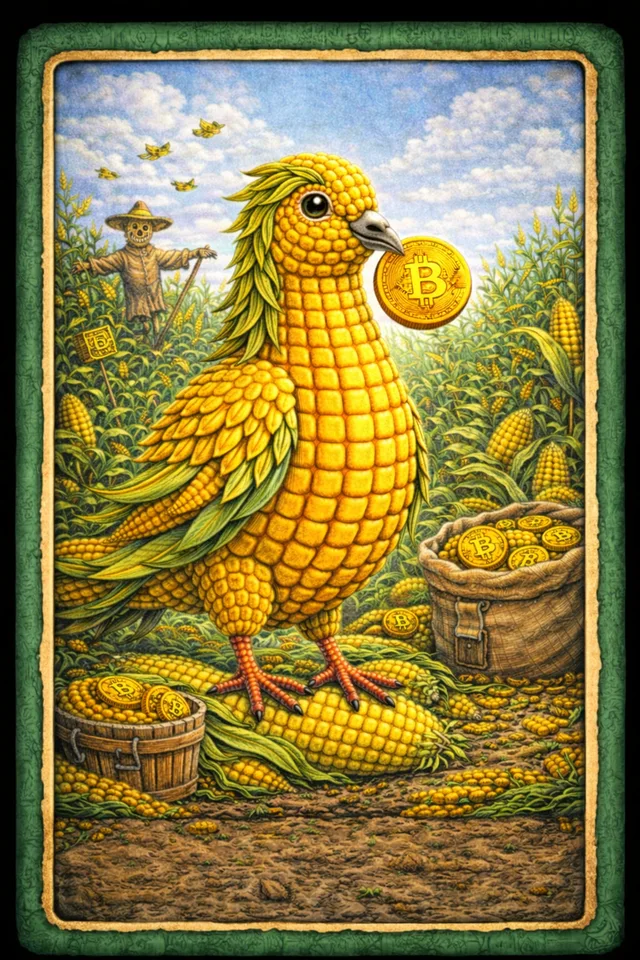
Sweet Corn (Sweet Corn / Zea mays saccharata) Origin & History Sweet corn originated in the Americas and was selectively bred by Indigenous farmers for its high sugar content. Unlike other corn types grown primarily for drying, sweet corn was developed specifically for fresh eating and became a staple summer crop worldwide — proving that even in an age of abundance, ignorance is choosing canned corn over fresh-picked ears at sunrise. Physical Characteristics • Tender, juicy kernels • High natural sugar content that converts to starch quickly after harvest • Typically yellow, white, or bicolor kernels • Medium-length ears • Moderate-height stalks Primary Uses • Fresh eating • Grilling and roasting • Boiling and steaming • Freezing and canning • Culinary specialty dishes Growing Requirements • Climate: Warm, temperate • Soil: Fertile, well-drained • Sun: Full sun • Water: Moderate and consistent Planting Zones USDA Zones 3–10 Planting Time Spring, once soil temperatures reach 60°F (16°C) Days to Maturity 65–90 days Harvest Window Harvest when kernels are plump and milky, typically mid to late summer. Yield Notes Moderate yields with high market and culinary value. Storage & Preservation Best eaten immediately; sugars convert to starch quickly after harvest. Fun / Notable Facts Sweet corn tastes sweetest within hours of harvest and is traditionally harvested at dawn for peak flavor.
From the asset's metadata file